

ISO 20000 certification: IT service management

ISO/IEC 20000-1 is the international standard for service management systems. It specifies how an organisation plans, delivers, monitors and improves its services, usually IT services.

Narrow suspension bridge made of steel cables over a mountain gorge

A service from planning to improvement.

Four links that interlock.

1234
  1. PlanDefine the service catalogue and service level agreements.
  2. Design and transitionAssess, approve and implement changes in a controlled manner.
  3. DeliverHandle incidents and requests within the agreed times.
  4. ImproveIdentify and eliminate the causes of recurring incidents.

The standard is aimed at internal IT departments as well as external service providers. It describes requirements, not tools: which software or framework you use is up to you. If you already work according to ITIL, you will recognise many practices, but ITIL is not a prerequisite.

The applicable edition is ISO/IEC 20000-1:2018. A certificate demonstrates to customers and clients that your services are managed according to agreed objectives and delivered in a verifiable way.

  1. Agreeing and managing services

    It starts with the service catalogue: which services you offer, for whom and with which commitments. Service level agreements set objectives such as availability and response times, which you measure and review with your customers.

    The standard also requires you to manage suppliers and internal providers whose contributions feed into your services. Capacity, demand and costs of the services are planned and monitored.

  2. Changes, incidents and problems

    Changes to services are assessed, approved and implemented in a controlled manner so that operations remain stable. Configuration management records the components that make up a service.

    Incidents and service requests are recorded, prioritised and handled within the agreed times. Problem management identifies the causes of recurring incidents and eliminates them.

  3. Availability, continuity and security

    For each service, you define availability requirements and plan how it will be restored after a major outage. These plans are tested.

    Information security of the services is also part of the requirements. ISO/IEC 20000-1 follows the same structure as ISO 9001 and ISO/IEC 27001. You can therefore run the systems together and have them audited together.

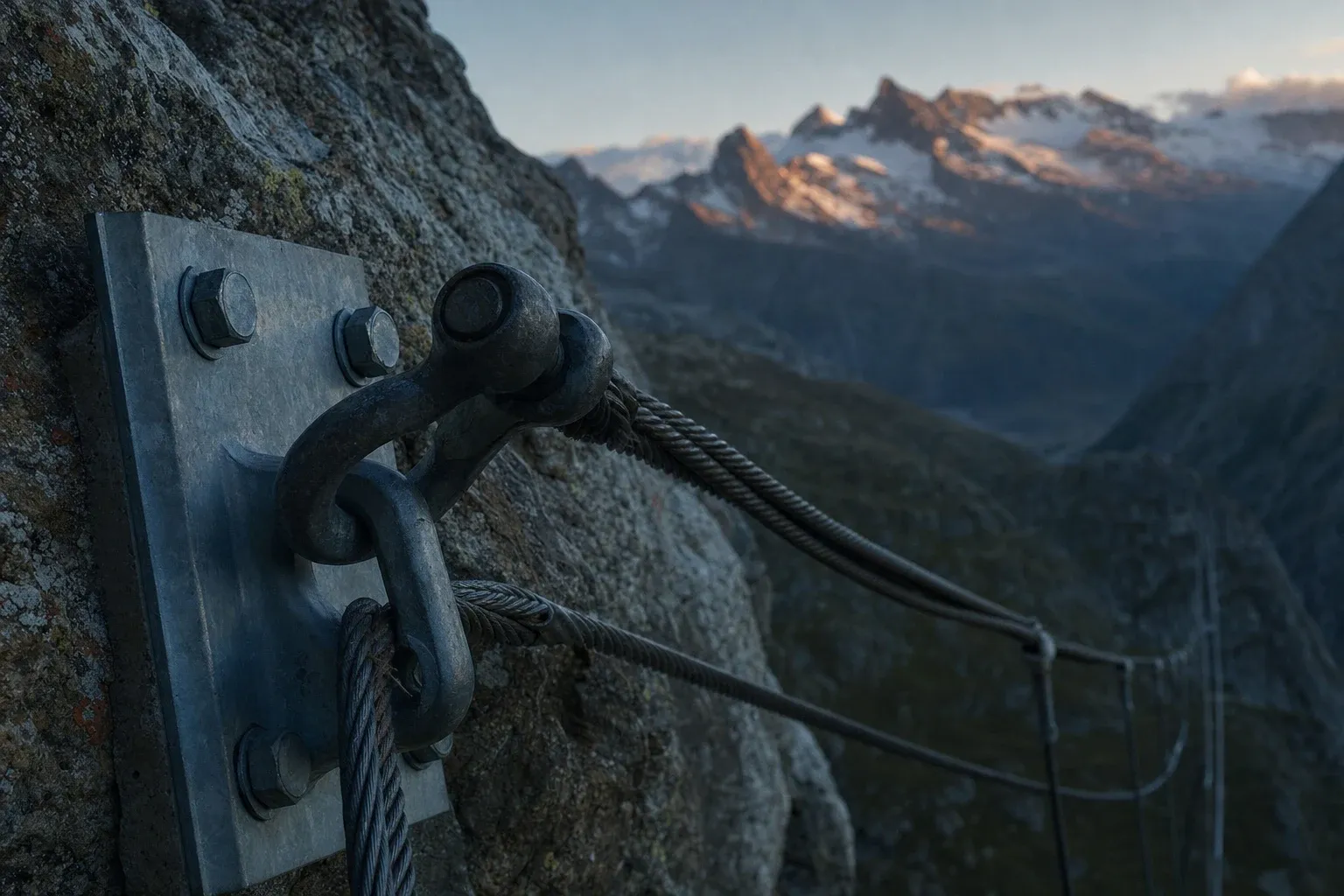
Anchoring of the steel cables of a suspension bridge in the rock

For each service, you define availability requirements and plan how it will be restored after a major outage.

Supporting cables and tower of a cable car above a valley

Who benefits from ISO/IEC 20000-1.

  • Internal IT departments

    You want to manage your services with clear commitments to the business units.

  • External service providers

    Customers and clients require evidence that services are delivered according to agreed objectives.

  • If you work with ITIL

    You will recognise many practices and can have them audited.

  • If you hold ISO/IEC 27001

    Both standards share the same structure and can be audited together.

Stages in the life cycle of a service
4
until your quotation
24 h
Weeks until the audit starts, as a rule
2

How your service management is certified.

  1. Application

    You name the services within the scope and the sites involved. SICE prepares the quotation.

  2. Stage 1

    SICE reviews the documentation: service catalogue, service level agreements and the processes for changes and incidents.

  3. Stage 2

    On-site audit. SICE uses examples to check how incidents are handled, changes are approved and recovery plans are tested.

  4. Certificate

    Following a positive decision, SICE issues the certificate to ISO/IEC 20000-1.

  5. Surveillance

    In the surveillance audits, your metrics show whether the agreed service levels are being met.

What IT managers want to know.

Do we need ITIL for ISO/IEC 20000-1?

No. If you already work according to ITIL, you will recognise many practices. However, ITIL is not a prerequisite.

Does the standard prescribe specific tools?

No. It describes requirements, not tools. Which software or framework you use is up to you.

Does the standard also apply to internal IT departments?

Yes. It is aimed at internal IT departments as well as external service providers.

What belongs in the scope?

The services you want to have certified. The starting point is the service catalogue: which services you offer, to whom and with which commitments.

How does the standard relate to ISO/IEC 27001?

The information security of the services is one of the requirements. Both standards follow the same structure and can be run and audited together.

Narrow suspension bridge made of steel cables over a mountain gorge

Let us talk about your IT services.

In the free initial consultation, we clarify which services belong in the scope.