
ISO 22000 certification: food safety

ISO 22000 is the international standard for food safety management systems. It applies to all organisations in the food chain, from animal feed through production, transport and storage to retail and catering.

Old milk churn beside the wooden door of an alpine hut

The standard combines a management system with the HACCP principles of the Codex Alimentarius. It requires you to identify, assess and control food safety hazards and to communicate about these hazards with suppliers, customers and authorities.

The applicable edition is ISO 22000:2018. A certificate shows buyers and authorities that your food safety system has been assessed by an independent body. You should clarify in advance with each buyer which standards they require in detail.
Copper cheese kettle over the fireplace of an alpine hut

The standard requires a traceability system that links raw materials, intermediate products and delivered batches.

  1. Prerequisite programmes as a foundation

    Prerequisite programmes create the basic hygiene conditions. These include the construction and layout of premises, cleaning and disinfection, pest control, personal hygiene, supplier management and equipment maintenance.

    These programmes are defined, implemented and reviewed regularly. They ensure that the hazard analysis is built on a stable basis.

  2. Hazard analysis and control

    In the hazard analysis, you identify biological, chemical and physical hazards, including allergens, for each product and each process step. You assess how likely a hazard is to occur and how severe its consequences would be.

    For significant hazards, you define control measures: critical control points with measurable critical limits and operational prerequisite programmes with action criteria. The hazard control plan sets out monitoring, corrections and responsibilities.

  3. Traceability and emergencies

    The standard requires a traceability system that links raw materials, intermediate products and delivered batches. It is tested so that a withdrawal or recall can be carried out quickly in an emergency.

    Verification, internal audits and the management review show whether the system is effective. ISO 22000 follows the same structure as ISO 9001 and can be run together with an existing quality management system.

Levels of control
3
Links in the food chain
5
Types of hazard: biological, chemical, physical
3

Three levels keep hazards out.

From basic hygiene conditions to the critical control point.

123
  1. Prerequisite programmesThe basic hygiene conditions: premises, cleaning, personal hygiene, maintenance.
  2. Operational prerequisite programmesControl measures with action criteria for significant hazards.
  3. Critical control pointsWith measurable critical limits, based on the HACCP principles.

The chain to which ISO 22000 applies

The path through your production.

  1. Application

    You tell us your products, processes and sites. SICE assesses feasibility and prepares the quotation.

  2. Stage 1

    SICE reviews the documentation: prerequisite programmes, hazard analysis and hazard control plan.

  3. Stage 2

    On-site audit including a walk-through of production. SICE examines hygiene, the monitoring of critical control points and traceability.

  4. Certificate

    Following a positive decision, SICE issues the ISO 22000 certificate.

  5. Surveillance

    In the surveillance audits, verification and traceability tests show whether the system is effective.

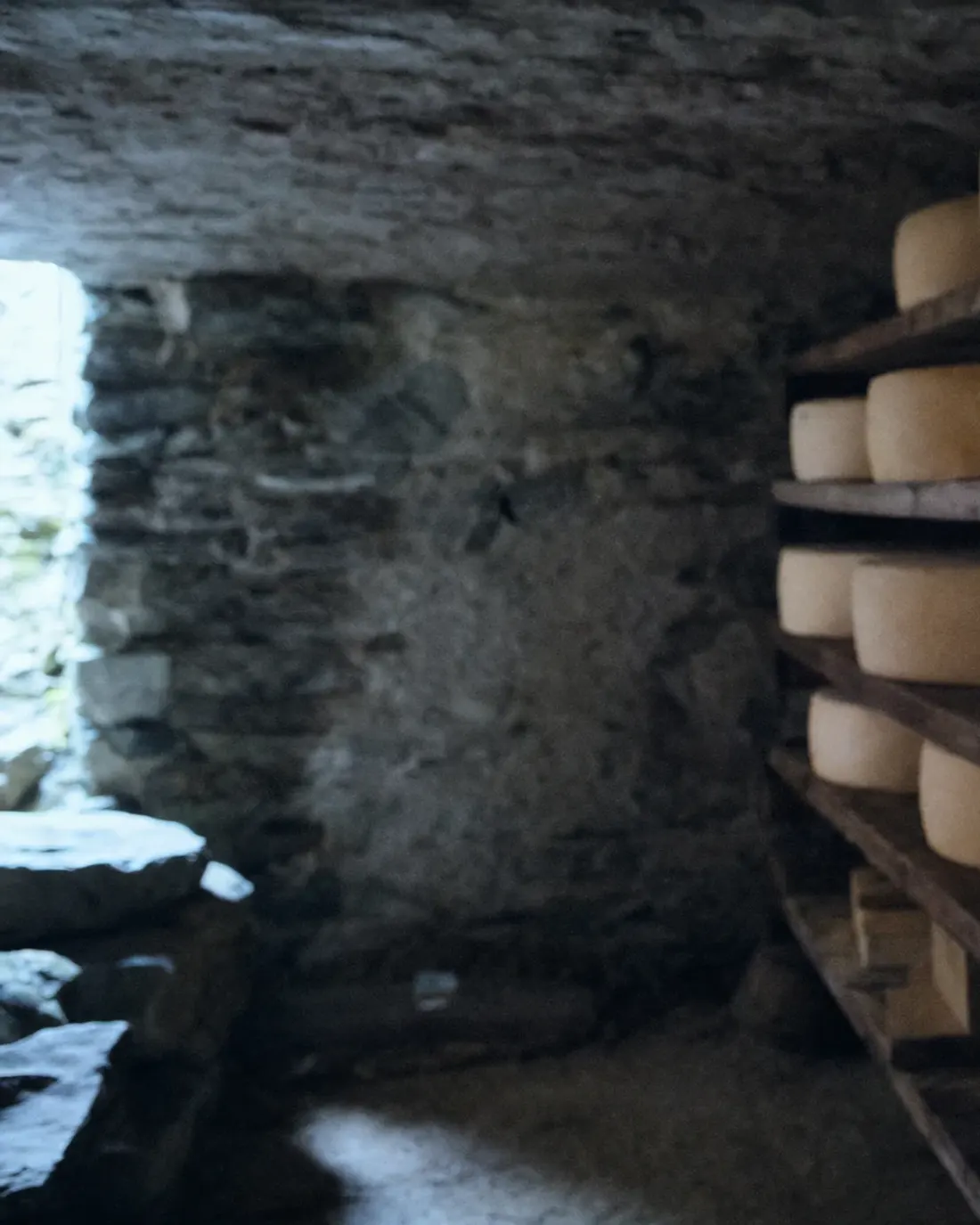
Wheels of cheese on wooden shelves in a stone cellar

Where ISO 22000 is needed.

  • Manufacturers and processors

    You want to identify and control hazards for every product and every process step.

  • Transport, storage, trade

    These links in the chain also fall within the scope of the standard.

  • Food service

    The standard applies up to the point of serving guests.

  • Customers require evidence

    You should clarify in advance with each customer which specific standards they require.

Questions from production and the kitchen.

Does ISO 22000 replace a HACCP plan?

The standard combines a management system with the HACCP principles of the Codex Alimentarius. Hazard analysis and critical control points are part of the system.

Which hazards does the hazard analysis consider?

Biological, chemical and physical hazards, including allergens, for every product and every process step.

What is a prerequisite programme?

Prerequisite programmes create the basic hygiene conditions. These include the construction and layout of premises, cleaning and disinfection, pest control, personal hygiene, supplier management and equipment maintenance.

Is traceability checked during the audit?

Yes. The standard requires a system that links raw materials, intermediate products and delivered batches. It is tested so that a withdrawal or recall can be carried out quickly.

Does our customer require exactly this standard?

You should clarify this with them in advance. The specific standards a customer requires vary.

Old milk churn beside the wooden door of an alpine hut

Let us talk about your food safety.

In the free initial consultation, we clarify your products, processes and sites.